
Pillangó Project by ArtRúm
Pillangó Project was established in 2024 as an independent contemporary art initiative that brings together different artistic perspectives and supports emerging artists and those pursuing independent creative paths. Through exhibitions and collaborations, it connects artists with audiences, collectors and cultural professionals. It brings together works and artists that approach the questions of our time in personal and unexpected ways.
This year’s photography selection brings this openness to visitors: through the encounter between traditional optical image-making and works created using artificial intelligence, it explores the meaning of human creativity, authorship and artistic value. It invites viewers to reflect together, leaving room for different interpretations and independent judgement.
THE ORIGINS OF AN IMAGE - Photography and artistic presence in the age of artificial intelligence
This year, Pillangó Project brings together works by Gábor Fekete, Alexandra Kinga Fekete and Can Togay to examine how artificial intelligence is changing the way we think about photography and image-making.
Gábor Fekete’s self-built camera obscura projects the outside world onto the ground inside a darkened tent. The landscape and the surface of the earth meet within a single optical image, shaped by the material of the site, the time spent there and the artist’s physical presence. In Alexandra Kinga Fekete’s Jetsetters series, generative imagery and manual refinement become tools for a critical examination of digital society. Can Togay’s AI-generated images use the familiar visual language of photography to depict scenes that need never have taken place before a camera.
Each of these three artistic practices raises different questions about the relationship between an image and reality. An image formed by light can appear strikingly painterly; a generated scene can seem photographically convincing. What do we regard as authentic? What value do we place on physical presence, technical skill, imagination or the act of selection? Where do we recognise human authorship, and where does it become uncertain?
The exhibition leaves viewers to decide which images they find artistically meaningful, and why. It invites us to examine the basis of our own judgement: does our relationship with an image change once we discover how it was made?
EXHIBITING ARTISTS
Gábor Fekete is a photographer and illustrator who studied in Kassel and later taught at the Lucerne School of Art and Design. For his Camera Obscura Tent Photography Project, he built a camera obscura fitted with a periscope and a lightproof tent. The surrounding landscape is projected onto the ground inside, allowing sand, vegetation and the texture of the earth to become part of the image. Patient observation and optical experimentation produce photographs with a distinctly painterly quality.
Alexandra Kinga Fekete came to digital and generative art through photography and works under the name AKF812. Her Jetsetters series connects the allegories of classical painting, particularly the densely populated worlds of Hieronymus Bosch, with social media’s culture of display and the compulsion to capture attention. She constructs her compositions from generated visual elements through detailed manual assembly and refinement. In the exhibited works Self-Amplifying Eternal Oblivion and Resistance Should Have Begun Right Here But It Didn’t, an unsettling, dystopian view of human behaviour emerges beneath an alluring surface.
Can Togay is a writer, film director and media artist. His AI-generated works draw on the visual language of photography and moving images to depict imagined situations. Within this year’s selection, his images introduce a tension between recognition and uncertainty: the scene feels familiar, yet something unsettles our reading of it. Alongside the still images, the exhibition also presents his video work The Calembeux Coffin Case, with sound.
-
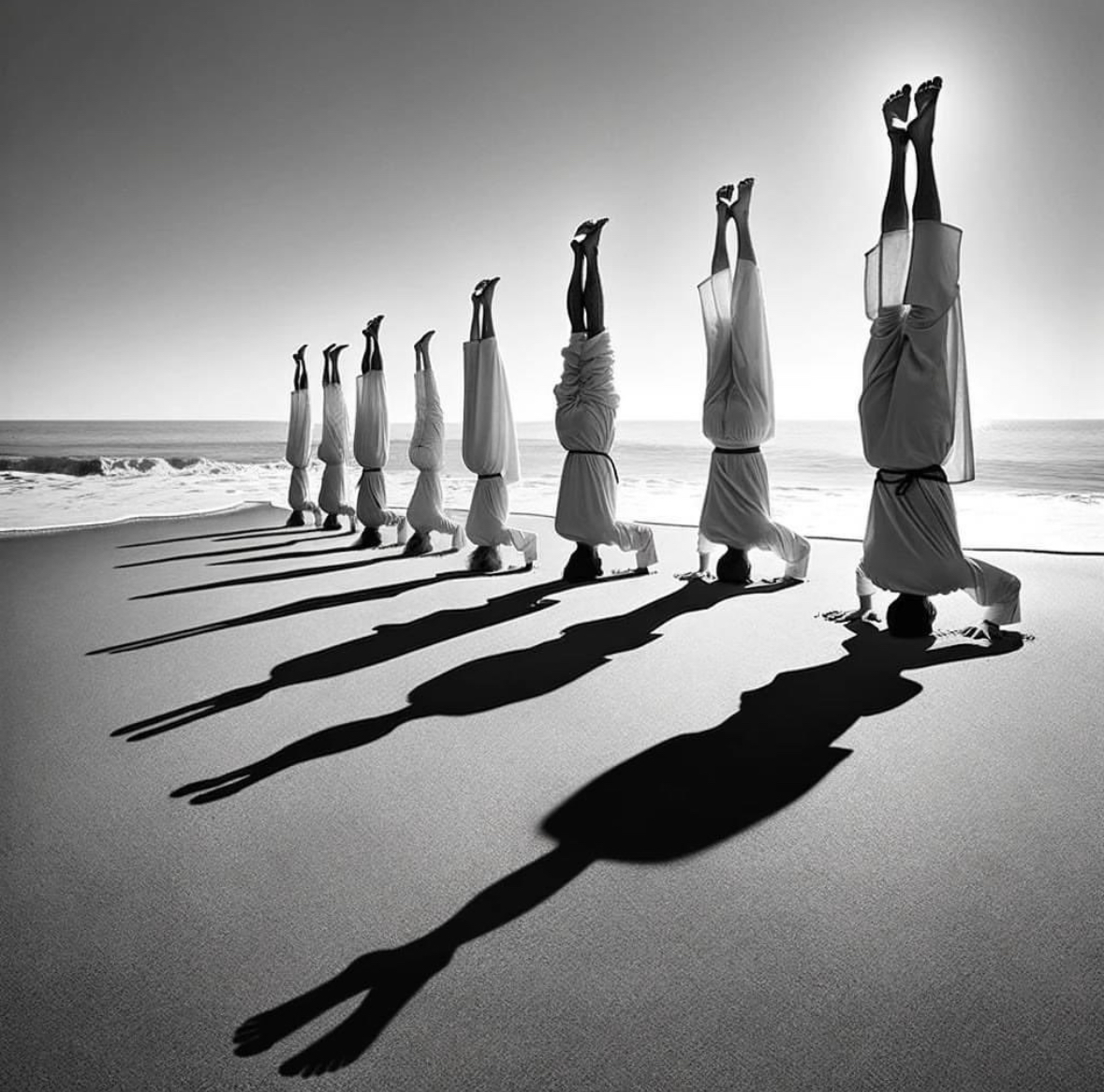
- Can Togay
-
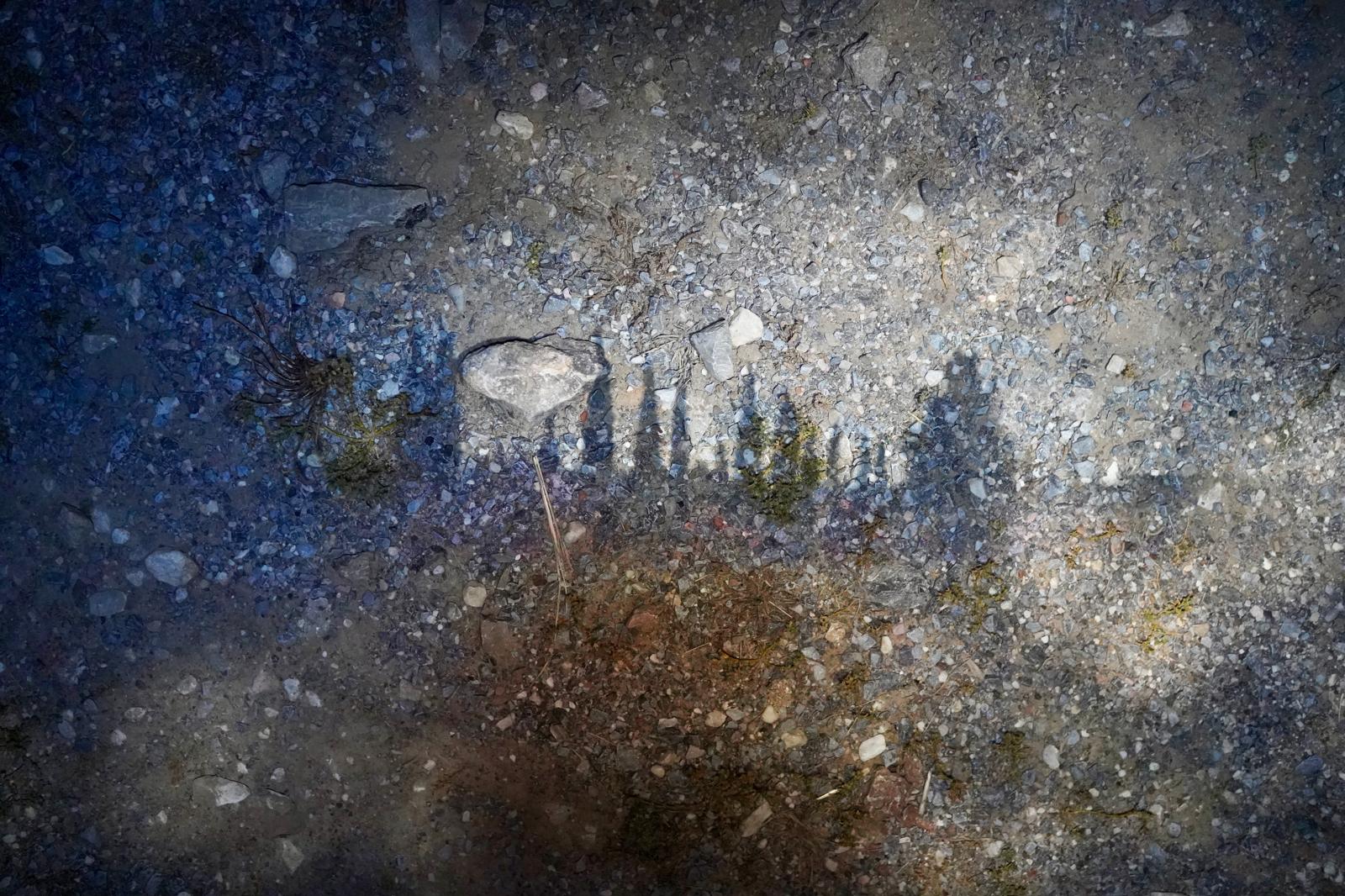
- Fekete Gábor
-
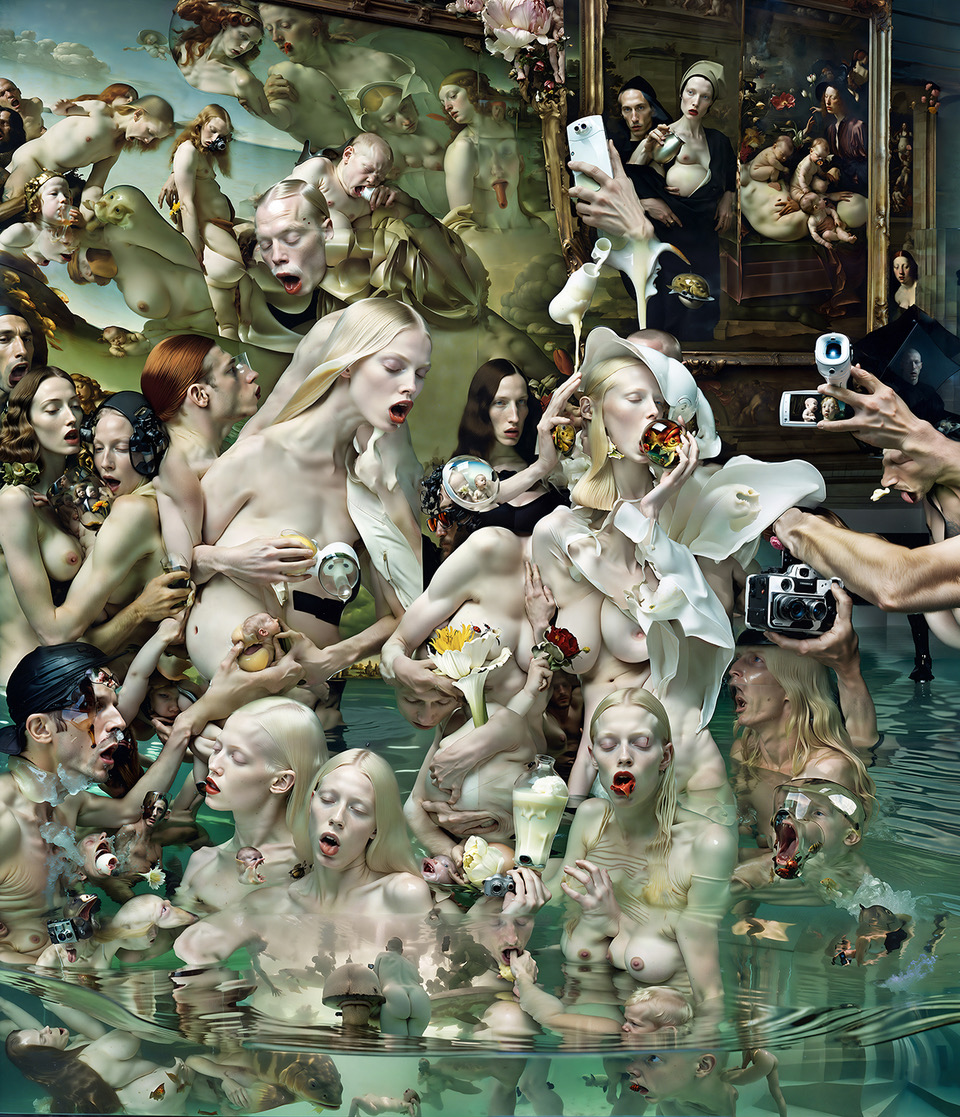
- Fekete Alexandra Kinga

