
Neves Kor-Társ Galéria
Structures and Silences: Four Readings on Contemporary Form
Through the works of four prominent artists—Györgyi Bors, Dániel Ludvig, Tibor Nagy, and János Szőke—this selection explores the contemporary metamorphoses of order, materiality, and the human condition. While the mediums and visual languages differ, the pieces are linked by a shared testing of boundaries: the dissolution of solid geometry, the playful deconstruction of masculine myths, the capturing of time's natural erosion, and the humanization of sacred forms. The exhibition invites viewers into a visual space where analog precision dialogues with digital aesthetics, and raw matter merges with the finest poetry.
Bors Györgyi: Kockahámozás VIII. (2026)
110×90 cm | olaj, vászon / oil on canvas
Györgyi Bors’ art radicalizes itself at the intersection of apparent sterility and meticulous craftsmanship. Kockahámozás VIII. (Cube Peeling VIII) is not merely a play of geometric forms, but a conceptual field of tension: while the visual experience evokes the algorithm-driven world of perfect digital renders, parametric architecture, and sci-fi dystopias, the canvas is, in fact, a triumph of pure analog painting. Every single gradient—from the tense bluish-greys to the almost luminescent, acid greens—is applied using classical oil techniques with millimeter-accurate brushwork. The deconstruction of a seemingly solid cube structure is not an act of destruction, but a metamorphosis; the layers of the enclosed form unfold into an autonomous choreography that defies gravity. The artwork reimagines the traditions of contemporary Hungarian op-art and constructivism (Moholy-Nagy, Vasarely) through the lens of a virtual age aesthetics.
Ludvig Dániel: Gyengéd bika (2026)
70×100 cm | olaj, vászon / oil on canvas
Dániel Ludvig’s painting is an ironic fusion of mythological archetypes and playful abstraction. The bull, an age-old symbol of strength, masculine energy, and ferocity, undergoes a radical stylistic reduction here. The silhouette of the monumental, heavy, dark body becomes almost completely flat, made tactile through the artist's subtle, textured surface treatment. However, the true tension of the composition lies in the sharp contrast between the monochrome mass and the pastel and gold-toned polka dots covering the body. This decorative, light motif entirely rewrites the symbol's meaning: the threatening beast is transformed into a lyrical, almost fairytale-like entity, a "gentle bull." With subtle humor and an excellent sense of proportion, Ludvig balances between the forms of primitive art (art brut) and contemporary pop-abstraction, while reimagining our cultural codes associated with power.
Nagy Tibor: Ami megmaradt (2026)
60×60 cm | olaj, vászon / oil on canvas
Tibor Nagy’s painting is a visual archaeology of materiality, concealment, and memory. The composition entitled Ami megmaradt (What Remained) is a masterpiece of textural abstraction, carrying the finest traditions of lyrical abstract expressionism and Art Informel. The dense, layered structure of the painting, organized into a horizontal band, evokes the sensation of geological deposits, corroded surfaces, or organic matter weathered by time. The raw yet controlled marks of the palette knife, the heavy impasto textures, and the vertical drips model the simultaneous processes of creation and erosion. The artist utilizes a rich palette of earth tones—ochres, deep velvety browns, and golden reflexes—which are lifted from the space by the sharp contrast of the pure white background. The title simultaneously refers to the silence after devastation and the solidification of the essence: the painting does not celebrate absence, but rather the uncompromising, monumental presence of the surviving matter.
Szőke János: Fáradt angyal (2026)
20×14×7 cm | bronz szobor, kő talapzaton / bronze sculpture on stone base
János Szőke’s small sculpture is a humanization of sacred iconography and a contemporary reflection on classical modern sculptural traditions. The artwork titled Fáradt angyal (Tired Angel) breaks away from the ethereal, celestial monumentality of transcendent beings, capturing a moment of vulnerability and existential heaviness. The treatment of the bronze—its rough, textured surfaces and patinated greenish tones—evokes the expressive, tormented forms of Alberto Giacometti and the organic plasticity of Henry Moore. The sculpture’s enclosed, introverted composition, with the figure resting its head on its hand (the classical posture of Melancholy), carries deep psychological resonance. The motif of the closed ring held in the angel's hand can be interpreted as a symbol of eternity and the weight of the earthly cycle. The artist masterfully balances the sacred lightness of the ethereal wings against the material gravity of the weary body, reshaping loneliness into an intimate yet universal human experience.
Artists:
- BERECZKY Kata
- BIHON Győző
- BORS Györgyi
- CZOBOR Sándor
- GÁSPÁR Géza
- GULYÁS Andrea
- LUDVIG Dániel
- MÜLLER Árpád
- NAGY Tibor
- SZAX Olivér
- SZŐKE János
-
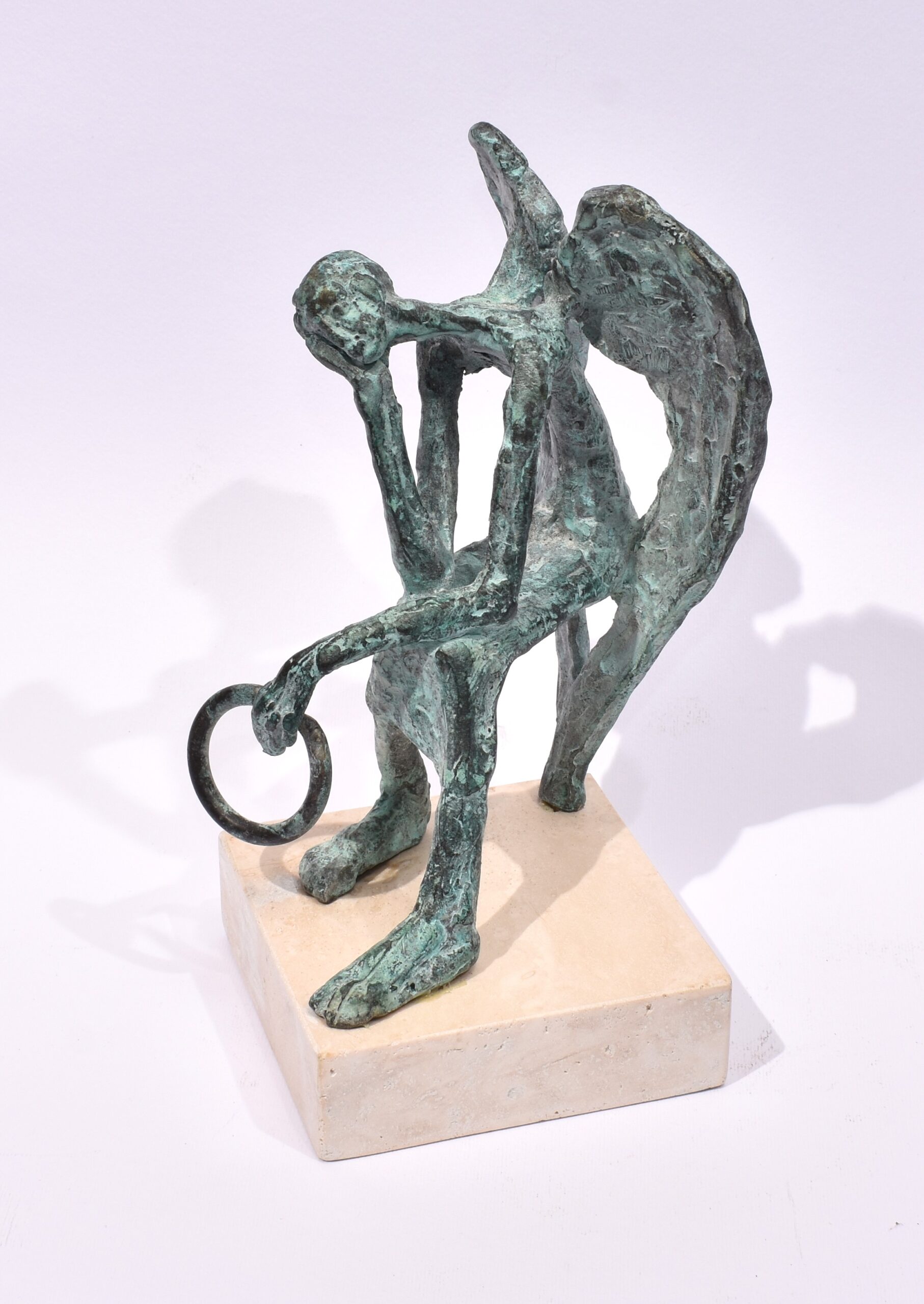
- Szőke János: Fáradt angyal (2026)
-
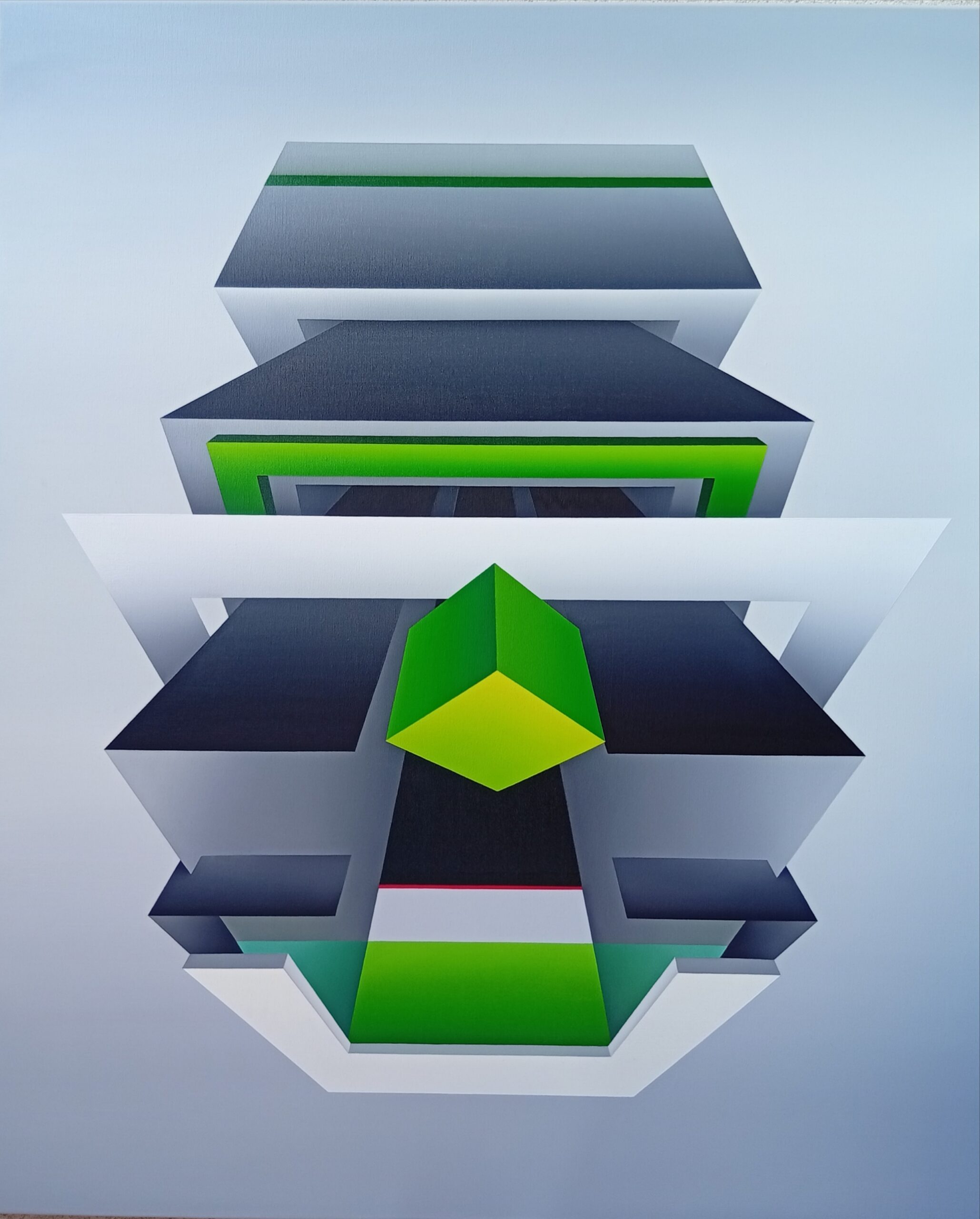
- Bors Györgyi: Kockahámozás VIII. (2026)
-
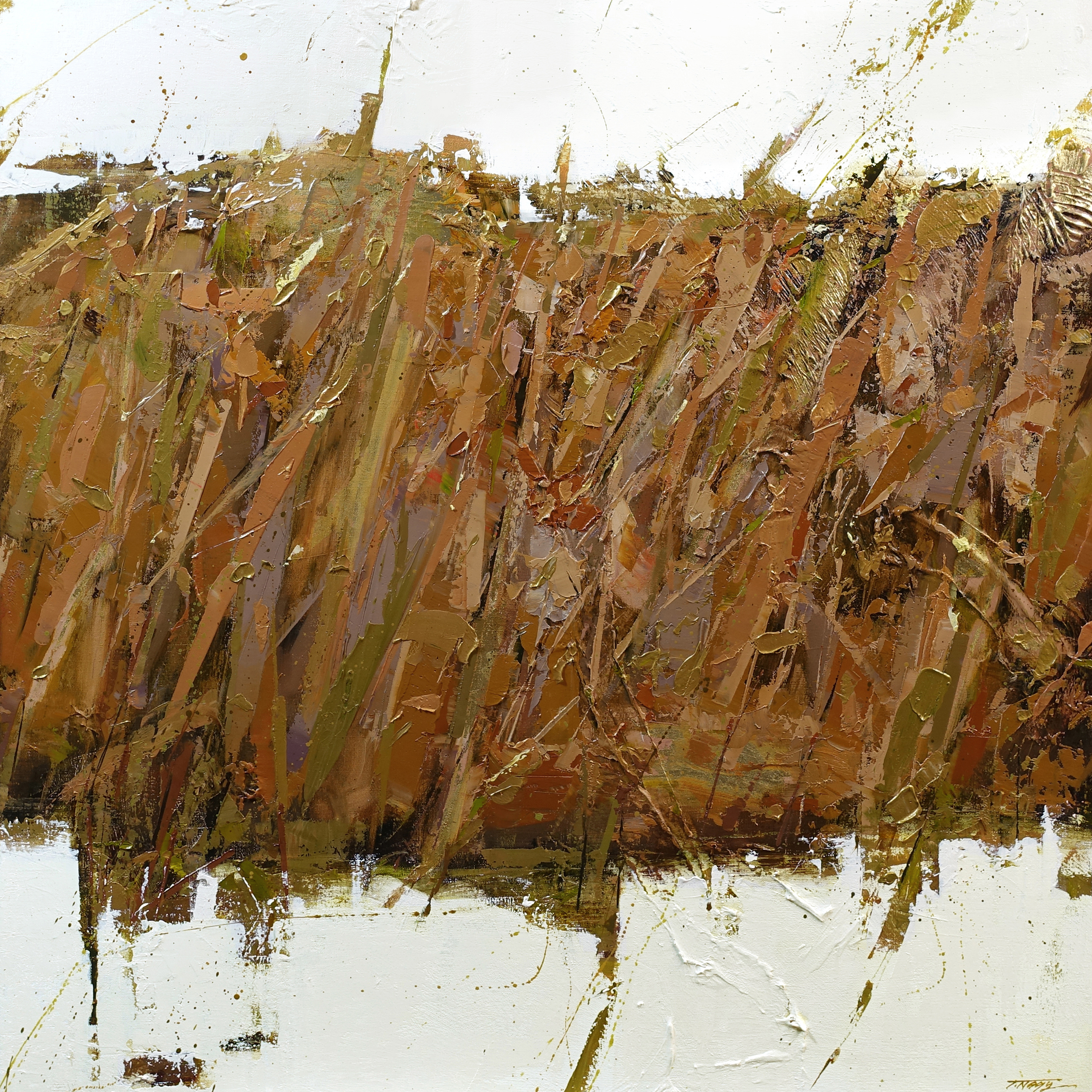
- Nagy Tibor: Ami megmaradt (2026)
-
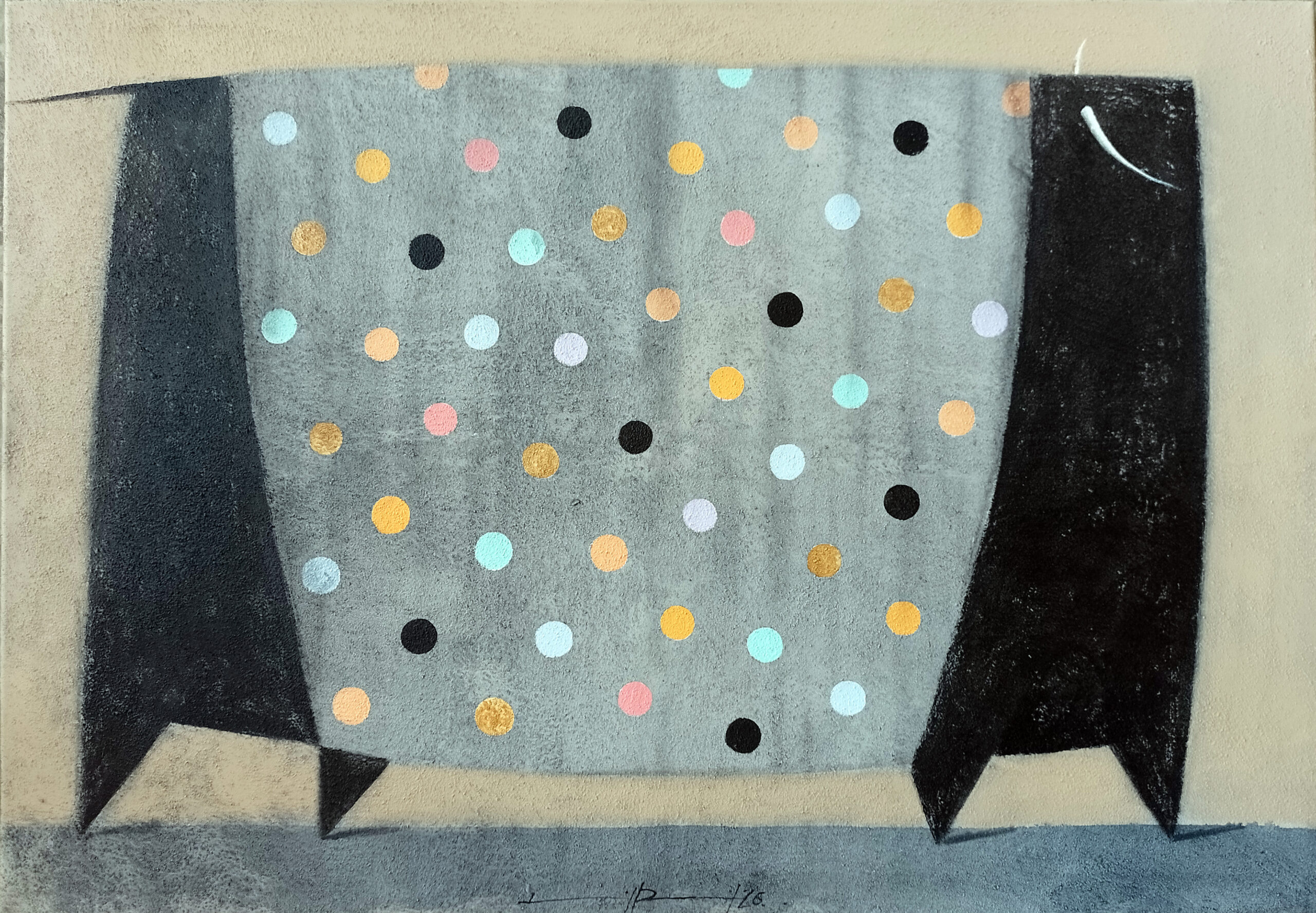
- Ludvig Dániel: Gyengéd bika (2026)
Contact informations
Address: 1053 Budapest, Kossuth Lajos utca 3.
Phone: +36 1 267 5262
E-mail: info@neveskortarsgaleria.hu
Facebook: www.facebook.com/Neveskortarsgaleria

