
MissionArt Gallery
On the Threshold of the Visible
Through the works of four artists—Erika Erdész, Orsolya Góra, Emese Somogyi, and Annamária Székely—the exhibition explores the borderlines between the visible and the invisible, material and sensory experience. Working in various media, the artists are connected by a shared phenomenological and philosophical interest; each investigates questions of perception, reality, and the communicability of inner experience. The exhibition is thus not merely a encounter of four autonomous oeuvres, but a visual dialogue that engages with the fundamental ontological and perceptual questions of contemporary art.
Erika Erdész’s painting creates a unique mythical universe through the symbolic transfiguration of everyday forms and objects. Her monochrome-like paintings, powerful light-shadow contrasts, and apocalyptic atmosphere evoke a world that is simultaneously dreamlike and philosophical. Her works point beyond visible reality: for her, painting is a medium capable of rendering the unspeakable, as well as the universal experiences and inner tensions that define human existence.
Her paintings guide the viewer into a dimension of the "familiar unfamiliar," where meaning always remains open to personal interpretation.
At the center of Orsolya Góra’s painting is color as a sensory and metaphysical phenomenon. Her works examine the philosophical and psychological aspects of color theories, while investigating the duality between the materiality of paint and its spiritual dissolution. In her Color Sequences series, superimposed layers of color create visual structures, becoming metaphors for human experience. Drawing on the color theories of Goethe and Aristotle, a dynamic world emerges within the transitions between light and darkness, in which color acts as both physical material and supersensory experience. Her painting thus strives for a continuous reinterpretation of the boundaries of vision and perception.
For many years, sculptor Emese Somogyi has focused her work on humanism and the footprint left in the world by Christian humanity. From the perspective of everyday life, her sculptures examine the fragility of human existence alongside the 21st-century experience of isolation and loss of footing. A recurring motif in her work is the small pair of bronze women's shoes, which symbolizes the inner journey, the search for identity, and humanity's place in the world. Within her concrete-molded spaces and passageways, she explores life's turning points, the possibility of letting go of the past, and the courage to step into the unknown. Her tunnel-like or upward-opening forms serve as metaphors for the path toward the transcendent, probing questions of human choice, fate, and divine providence. Her sculptures carry the timeless presence of both quiet inner contemplation and spiritual searching.
Annamária Székely’s painting explores the complexity of perceiving urbanized space. Her starting points are real urban spaces, streetscapes, and architectural fragments, which are transformed into new, uncertain spatial experiences through reflections, cross-fades, and optical mediations. In her work, reflection is not merely a visual effect, but a philosophical metaphor for vision; space is always constructed indirectly, fragmentarily, and through the act of perception. Her paintings created with the anaglyph technique further reinforce this concept, as the spatial experience becomes complete only through the active participation of the viewer. Here, color is simultaneously an optical construction and a sensory experience, drawing attention to the uncertainty of the boundary between reality and image.
Overall, the works of the four artists explore different aspects of perception and the nature of reality. Painting and sculpture, material and light, space and color, form and reflection connect into an interconnected system. The common focal point of the works is their attempt to reveal the content underlying the visible world—that intermediate realm where sensory experience transforms into philosophical, spiritual, and existential meaning.
MissionArt Gallery Programs
Exhibiting artists:
Erika Erdész
Orsolya Gora
Emese Somogyi
Annamária Székely
PROGRAMS
On Friday, October 2, 2026, starting at 5:00 PM, Zsófia Ember-Isztin (flute) and Albert Márkos
(cello) will perform Albert Márkos’s work titled *Velence Duett*. Afterwards, starting at 6 PM, a
discussion with the gallery’s artists (Erika Erdész, Orsolya Góra, Emese Somogyi, Annamária
Székely), accompanied by a guided tour.
On Saturday, October 3, 2026, starting at 5:00 PM, art historian Brigitta Muladi will conduct a
guided tour at the stand.
-
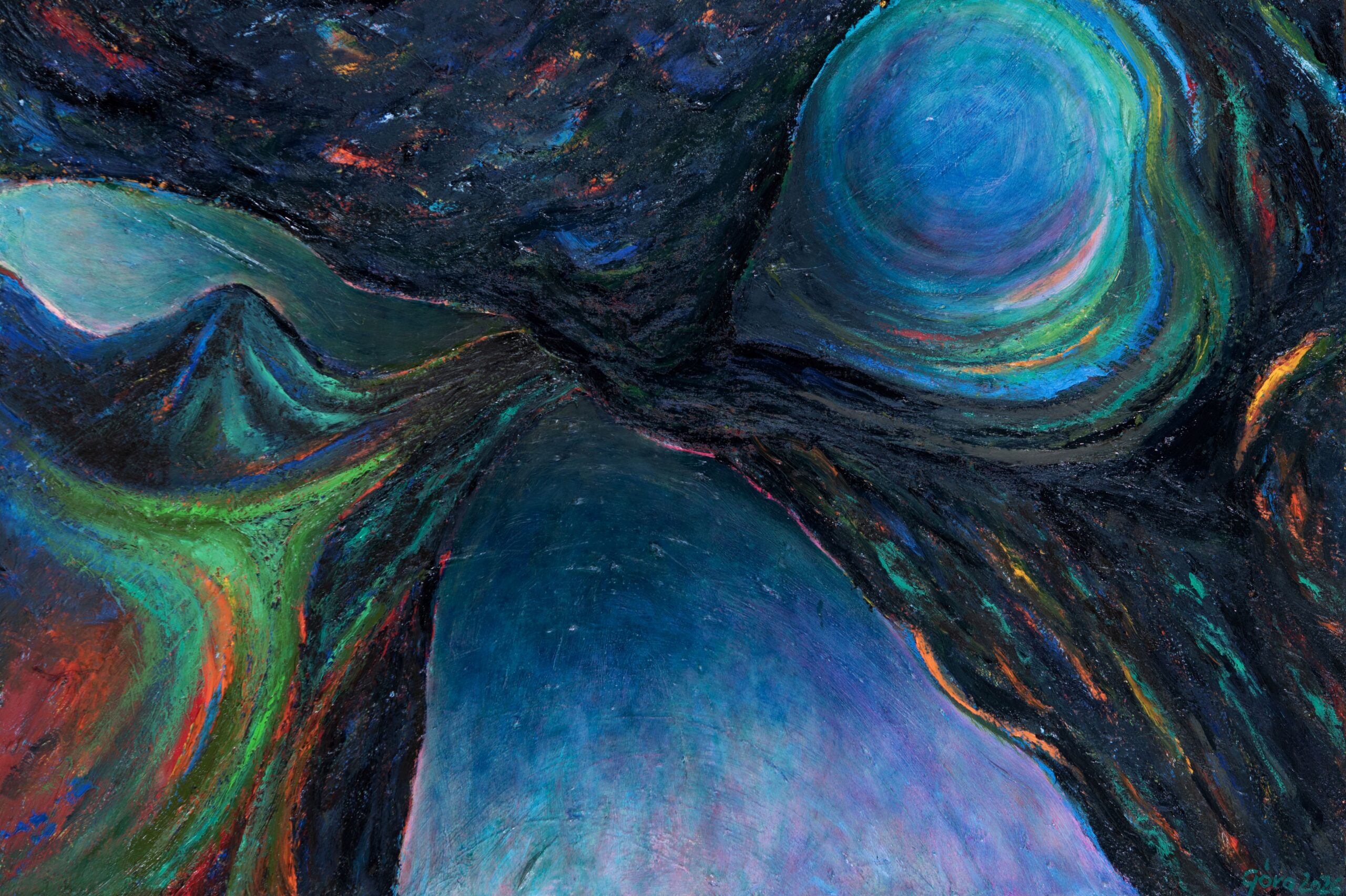
- Góra Orsolya Hány kék rétegen át vezet az ív az égig 2026, 100 x 150cm olaj, vászon
-
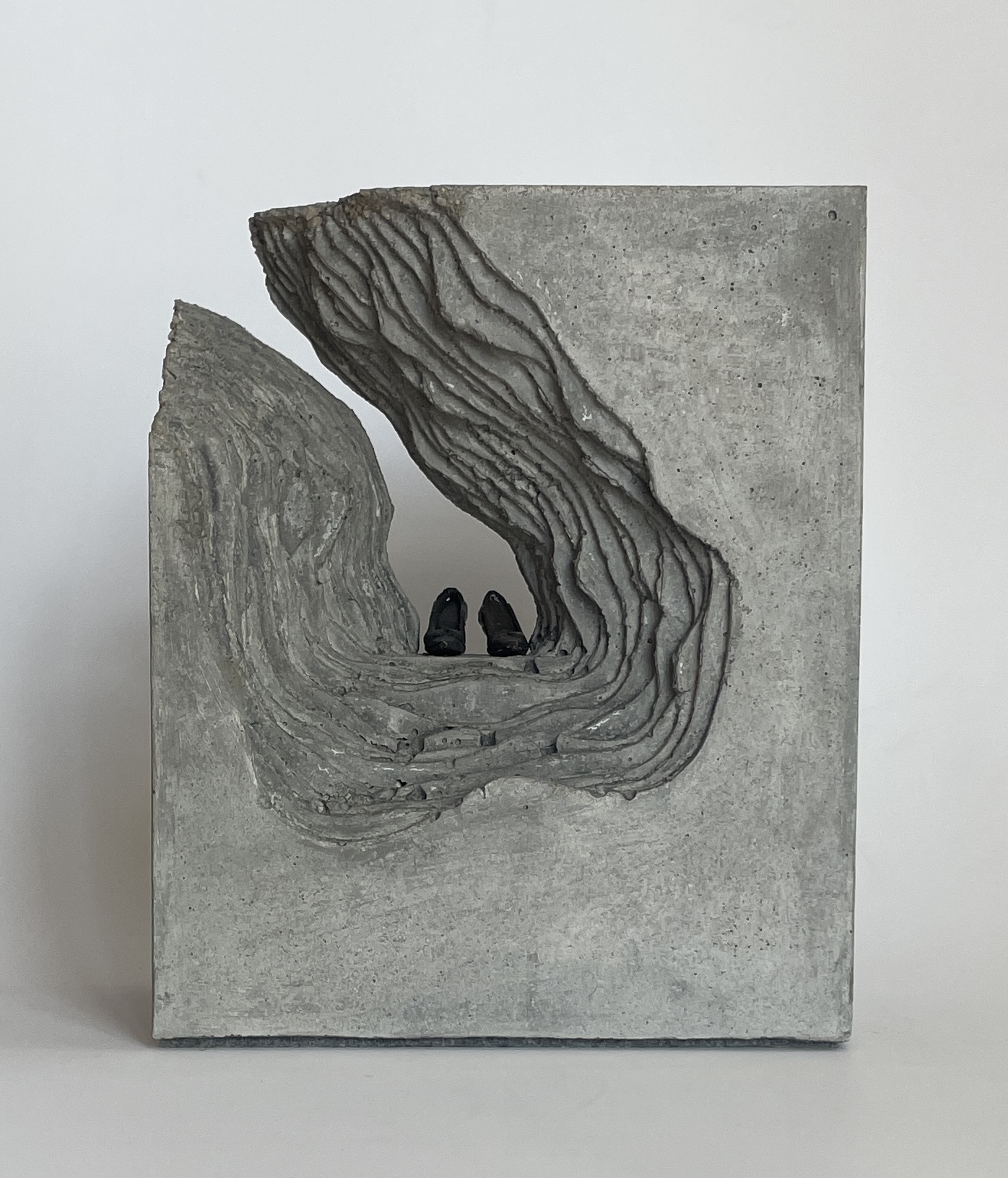
- Somogyi Emese Az ég felé hajló idő, 2026 1
-
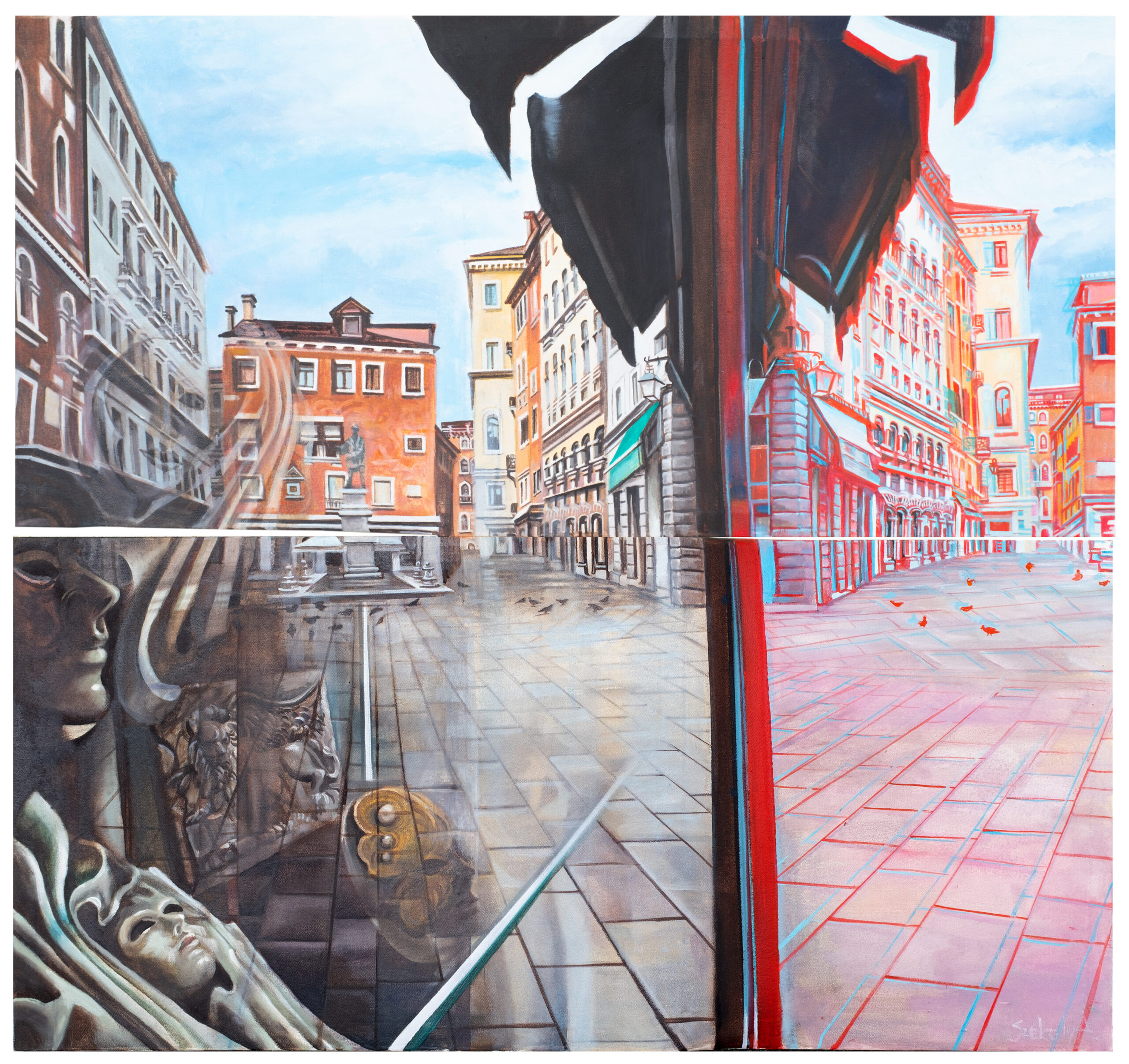
- Székely Annamária Három dimenzió-két valóság. Velence, 100×110 cm, 2026
-
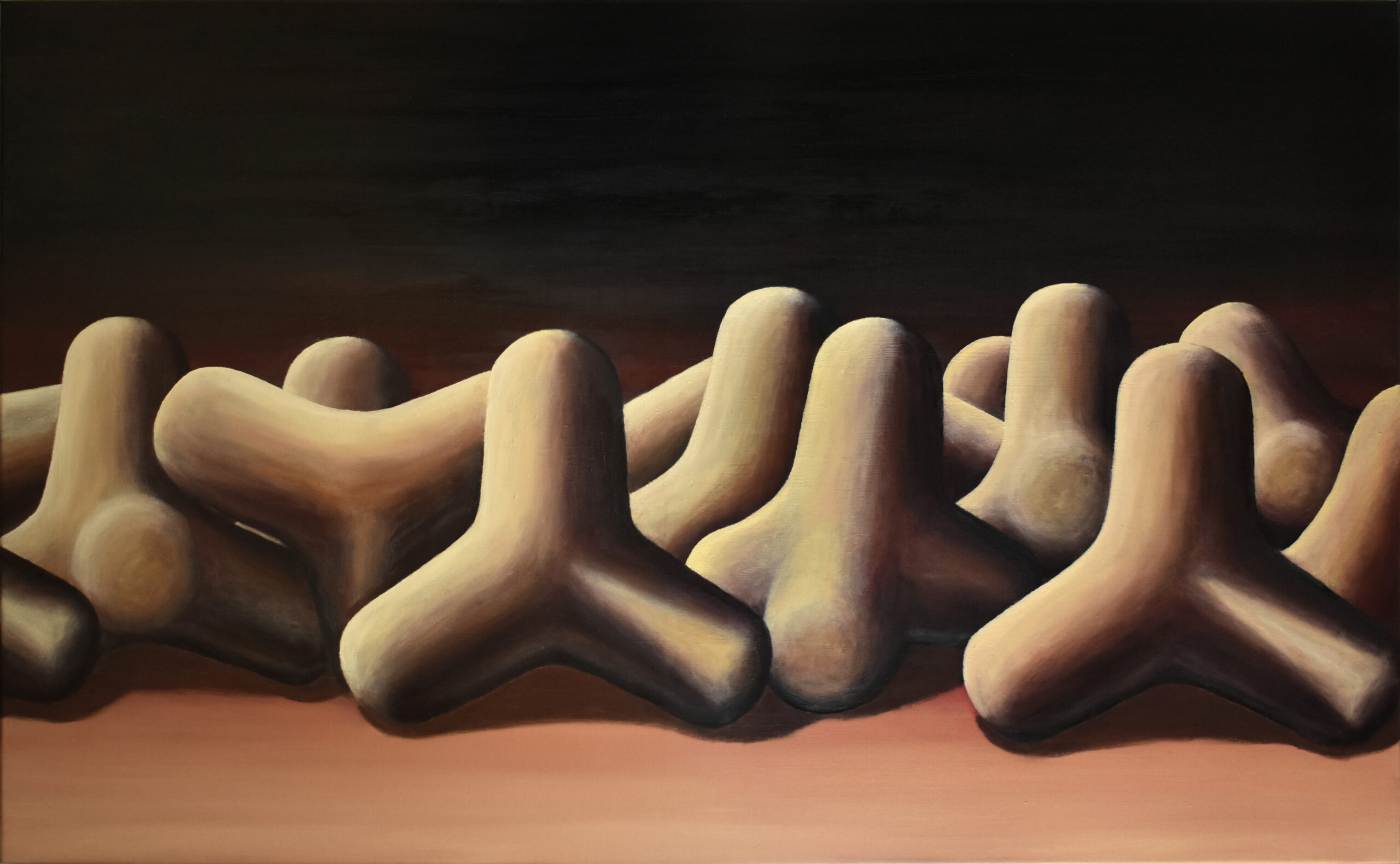
- Erdész Erika: Hullámtörő, 80x120cm, olaj, vászon, 2026
Contacts
MissionArt Gallery
Gallery directors: László Jurecskó and Zsolt Kishonthy
Address: 1055 Budapest, Falk Miksa u. 30.
Webosite: www.missionart.hu
E-mail: budapest@missionart.hu
Phone: +36 1 302 8587

